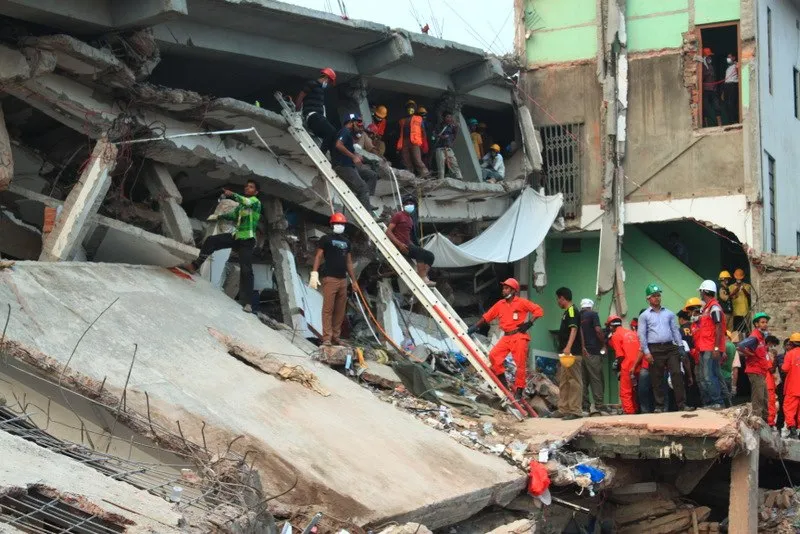
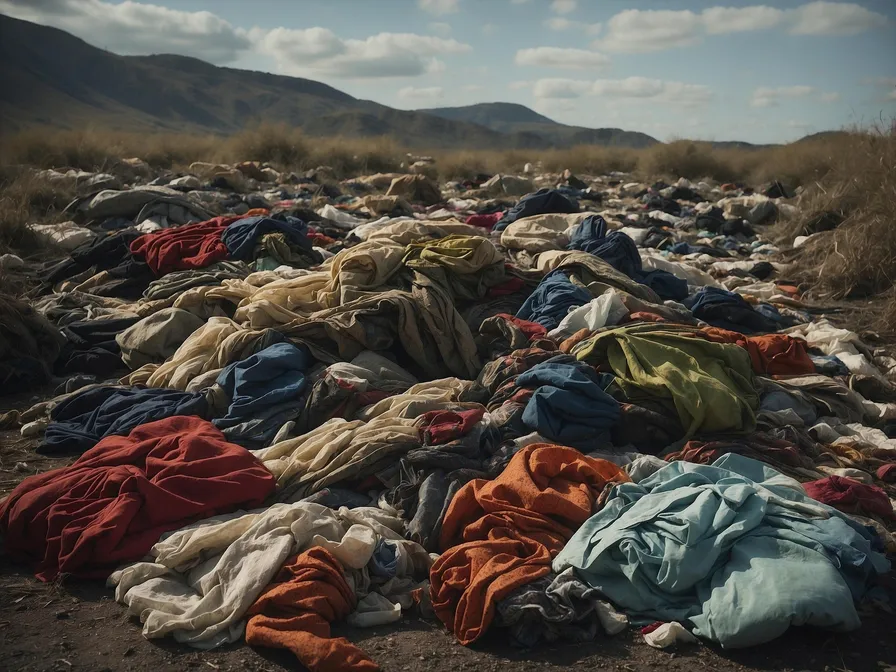
The Human Cost of Fast Fashion: Who Really Pays?
Thu Jun 18 2026 A look at how fast fashion’s low prices are often built on unsafe labour, poverty wages, environmental harm, and disposable consumption, using the Rana Plaza disaster as a reminder of the urgent need for accountability and more sustainable choices.
The Importance of LOIs: Why Letters of Intent Matter for Circular Economy Startups
Fri May 22 2026 As NLight Recycling continues developing a localized textile recycling system in Newfoundland and Labrador, one of the most important steps in our growth has been building relationships with like-minded organizations interested in green initiatives and textile diversion. One tool that plays a major role in this process is the Letter of Intent, commonly referred to as an LoI.
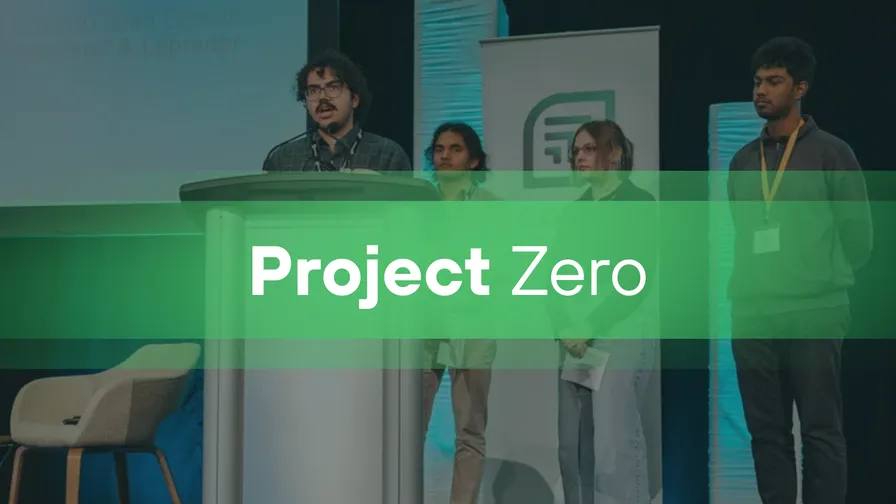
NLight Joining Project Zero econext Circular Economy Incubator
Thu May 07 2026 We are excited to announce that NLight Recycling Inc. has been accepted into the Project Zero Circular Economy Incubator hosted by econext. This opportunity marks a significant step forward in our mission to build a circular textile recycling system in Newfoundland.
NLight Phase One: What Will Phase One Do?
Mon May 04 2026 NLight has a complex mission ahead of it. As part of our attempt to bring our vision to life, we have separated our Pilot Project into multiple phases. This post will discuss what the first phase of our project includes.
NLight Recycling’s Mission: Rethinking Textile Waste in Newfoundland & Labrador
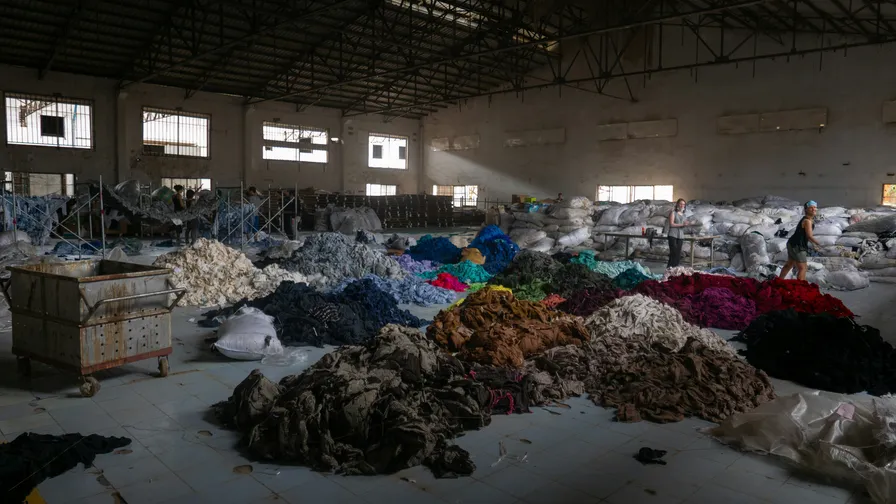
Fri Apr 03 2026 The fashion industry produces millions of tons of textile waste every year, yet less than one percent is recycled back into new clothing. This broken system is fueling pollution on a massive scale, making textile-to-textile recycling not just an innovation but a necessity in Canada.
The Issue of Textile Pollution
Fri Feb 27 2026 In this post, we will explore, in some depth, many failures of the textile industry around the world, and in particular in Canada to stop its contributions to the climate crisis. We will also discuss the thought process that delivered us to choose this problem and solution to reduce global GHG emissions.