Pilot Project
Validating textile-to-textile recycling in Newfoundland & Labrador through a phased pilot facility planned as the first of its kind in Canada.
Pilot Overview
Current Phase : Phase 1 (Opened Fiber) Target Throughput : 400-500 kg/day Location : St. John's, NL National Role : First of its kind in Canada Status : Planning & ProcurementWhy Start with a Pilot?
Validate Process
Build Supply Chain
Design for Scale
Our Phased Roadmap
Phase 1:
Opened Fibers
-
First-of-its-kind pilot facility construction in Canada
-
Metal contaminant removal
-
Washing and drying
-
Cutting, shredding, and opening fibers
-
Incoming and outgoing logistics handling
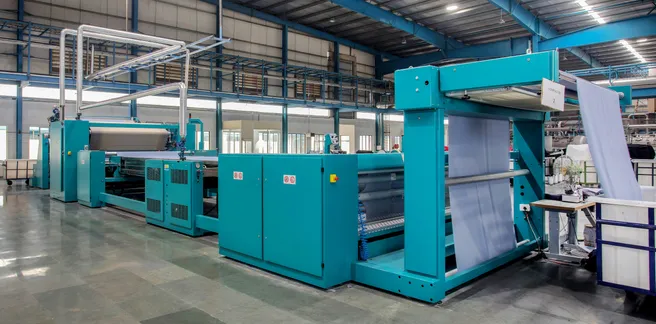
Phase 2.1:
Advanced Sorting
-
Fully-automated sorting system(in-house solution)
-
Contamination removal(all types)
Phase 2.2:
Chemical Recycling
-
Chemical recycling of mixed-fiber textiles
-
Production of polyester pellets
-
Production of recovered cotton fibres
Our Process (Phase 1)
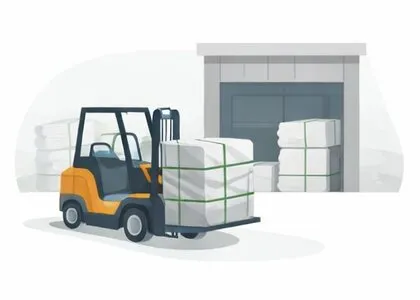
Receiving & Sorting
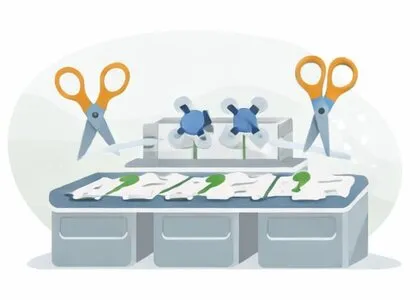
Cutting
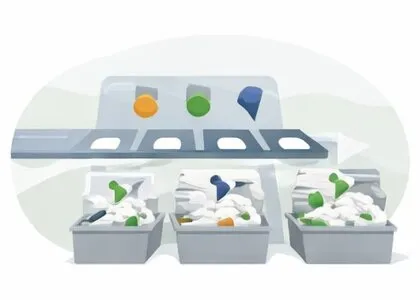
Contaminant Removal
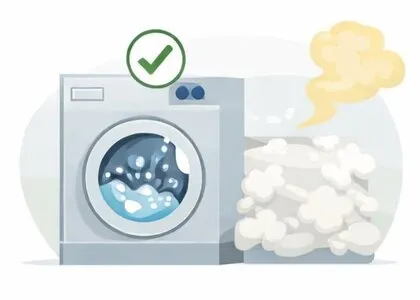
Washing & Drying
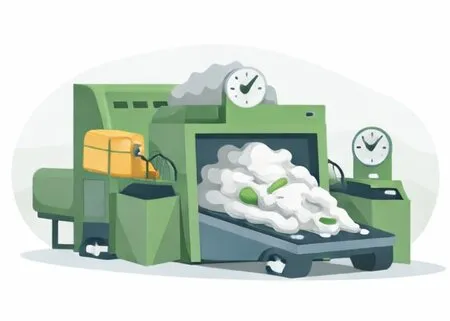
Shredding & Opening
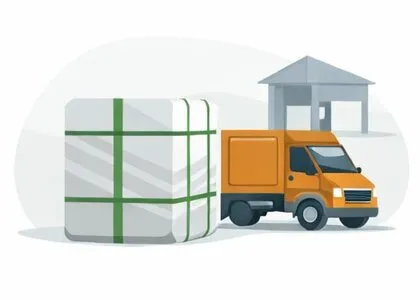
Packaging & Dispatch
What We Produce
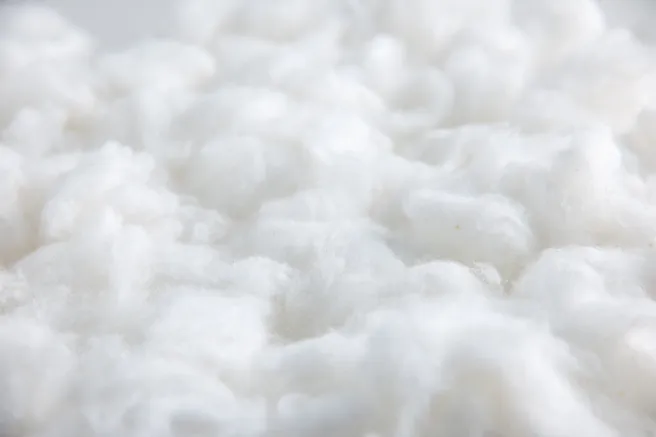
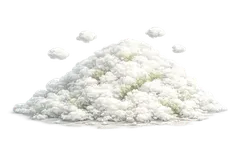
Reclaimed / Opened Fibers
-
For stuffing, insulation, and more
-
Available in: FIBCs and Bales
Future Outputs (Phase 2)
-
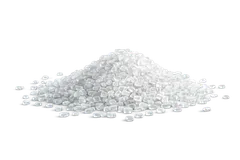
Cotton Fibres
-
Polyester Pellets
Work with Us
Textile Suppliers
We work with municipalities, collectors, thrift organizations, and textile sorters to divert post-consumer textiles from landfills.
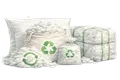
Buy Recycled Fibers
We work with businesses that use recycled fibers for insulation, stuffing, padding, or industrial materials.

Collaborate on Research
We work with universities, engineers, and technology developers helping advance textile recycling.

Support the Project
We work with organizations supporting the development of textile recycling infrastructure in Canada along many other investors and supporters.
FAQs
What is the goal of the NLight pilot project?
The pilot project is designed to test and validate a textile-to-textile recycling process in Newfoundland and Labrador while establishing what we believe will be the first pilot facility of its kind in Canada. We also aim to establish a local supply chain and build a network of buyers and suppliers.
What types of textiles will the pilot project process?
The pilot project is designed to process mixed post-consumer textile waste, including cotton, polyester, and blended fabrics. These materials typically come from discarded clothing, household textiles, and unsold garments that would otherwise end up in landfills.
What products will be produced in Phase 1?
Phase 1 focuses on producing opened textile fibers. These fibers can be used for:
- Pillow and furniture stuffing,
- Insulation materials,
- Automotive padding,
- Acoustic materials,
- Industrial fiber filling,
- And more
What happens in Phase 2 of the pilot project?
Phase 2 expands the recycling process. It will include:
Phase 2.1 — Advanced sorting
Separating textiles by fiber composition.
Phase 2.2 — Chemical recycling
Breaking down blended textiles into raw materials such as recovered cotton fibres and polyester pellets.
Why start with opened fibers instead of full textile-to-textile recycling?
Recovering opened fibers is the most practical first step for handling mixed textile waste. It allows us to divert large volumes of material from landfills while building the infrastructure and knowledge needed for more advanced recycling technologies.
Where will the pilot project be located?
The pilot facility will be located in Newfoundland and Labrador. As a planned first-of-its-kind pilot facility in Canada, it will allow us to develop local textile recycling capacity and reduce the need to export textile waste outside the province.
How much textile waste will the pilot project process?
The initial pilot facility is being planned around approximately 400-500 kg per day. This scale allows us to test equipment, optimize processes, and gather data for larger future facilities.
How does this project help reduce textile pollution?
Textile waste is one of the fastest-growing waste streams globally. By recovering fibers from discarded textiles, the pilot project:
- Diverts waste from landfills
- Reduces greenhouse gas emissions
- Decreases demand for virgin fiber production
- Supports the development of a circular textile economy.