The Human Cost of Fast Fashion: Who Really Pays?
A look at how fast fashion’s low prices are often built on unsafe labour, poverty wages, environmental harm, and disposable consumption, using the Rana Plaza disaster as a reminder of the urgent need for accountability and more sustainable choices.
By Kassy Keats
Published on Thu Jun 18 2026
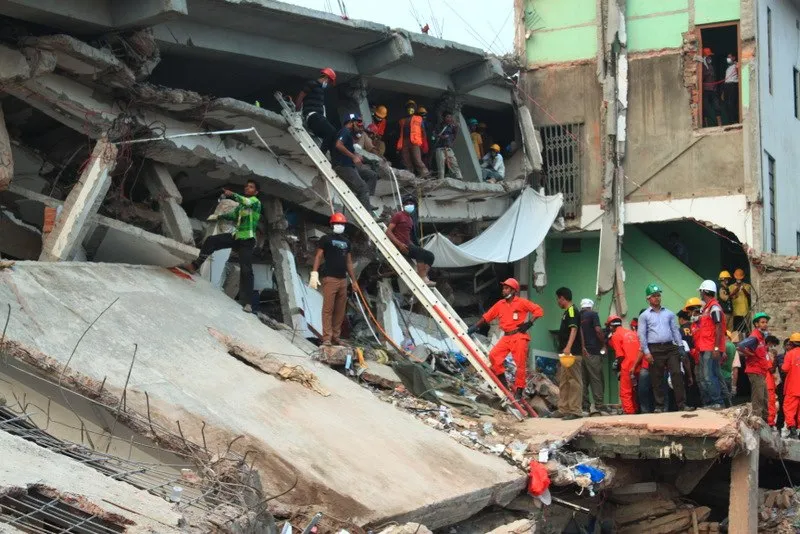 Rana Plaza collapse, Sharat Chowdhury, CC BY 2.5 <https://creativecommons.org/licenses/by/2.5>, via Wikimedia Commons
 The Rana Plaza collapse occurred in April 2013 in Bangladesh. 1,134 people were killed when the building collapsed due to structural failures, and 2,500 people were injured.
To this day, it remains one of the largest garment-factory disasters in recorded history. Amnesty International called it "the most shocking recent example of business-related human rights abuse." The factories produced apparel for numerous international brands, including, but not limited to, Walmart, Joe Fresh, Primark, and Zara.
The building had never been designed for industrial manufacturing, and visible structural cracks had reportedly appeared before the collapse, but were ignored by the building owner, Sohel Rana. To this day, he still has not been convicted of the manslaughter of the 1,134 people and has only served 3 years in prison for a corruption charge in 2017.
More than a decade later, the disaster remains symbolic of a global fashion industry built on exploitation, weak oversight, and relentless consumer demand for cheap clothing.
What Is Fast Fashion?
“Fast fashion” refers to the rapid production of low-cost clothing designed to replicate the latest trends as quickly as possible. Rather than prioritizing durability or ethical manufacturing, many fast fashion companies focus on producing large volumes of inexpensive garments at extremely high speed.
Consumers in countries like Canada have unprecedented access to global fashion trends. Clothing can be purchased instantly in malls or ordered online from major retailers such as SHEIN and delivered within days. While these low prices may seem appealing, they often come at a hidden cost paid by garment workers thousands of kilometers away.
To maximize profits, many fashion brands outsource production to countries such as Bangladesh, Vietnam, and India, where labour costs are significantly lower, and regulations may be weak or poorly enforced. In many cases, multinational corporations maintain limited oversight over their supply chains, allowing subcontractors and factory owners to operate with minimal accountability.
This distance between brands and manufacturers often creates plausible deniability. By separating themselves from direct production, companies can avoid legal responsibility for unsafe working conditions, poverty wages, and labour abuses occurring within their supply chains.
 Man unboxing new clothes from a cardboard box on a table indoors.
 The Exploitation Behind the Industry
The fast fashion industry depends heavily on low-paid labour. Workers are frequently subjected to unsafe conditions, excessive overtime, intimidation, and wages that fail to meet basic living standards. In 2019, thousands of garment workers in Bangladesh went on strike demanding higher wages and safer conditions, drawing international attention to the ongoing exploitation within the industry (Ross, 2018).
What is often overlooked, however, is who these workers are.
Approximately 80% of the world’s garment workers are women, many between the ages of 18 and 24 (Schirrer, N.D). These women are often economically vulnerable and may have limited employment alternatives. Fast fashion does not impact workers equally- it disproportionately exploits women through low wages, insecure working conditions, and systems that reinforce cycles of economic and social inequality.
The industry’s impacts also extend to children and future generations. In some regions, children are forced into labour instead of attending school, while communities surrounding textile production facilities face serious environmental contamination from chemicals, dyes, and textile waste. As Baruta (2021) notes, hazardous labour conditions and environmental degradation violate children’s rights not only to education and freedom, but also to a safe and healthy environment.
The Environmental Impact of Fast Fashion
Beyond labour exploitation, fast fashion has become a major environmental crisis. The industry is responsible for enormous amounts of textile waste, water pollution, and greenhouse gas emissions.
Globally, millions of tonnes of clothing are discarded every year, much of it ending up in landfills or incinerators. Synthetic textiles such as polyester shed microplastics into waterways during washing, contributing significantly to ocean pollution. The pressure to produce clothing quickly and cheaply also encourages overconsumption, with garments increasingly viewed as disposable rather than durable.
The environmental and social consequences are deeply interconnected. Communities involved in textile manufacturing often face polluted water supplies, unsafe air quality, and exposure to hazardous chemicals while receiving few economic benefits in return.
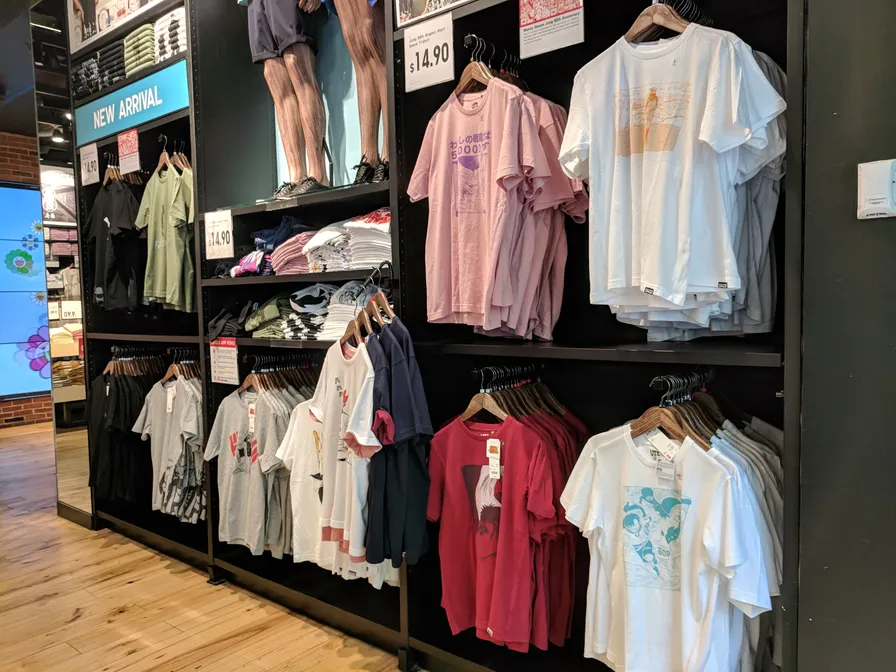 A clothing store downtown Boston, Kurt Kaiser, CC0, via Wikimedia Commons
 The Role of Consumers
Consumers also play a powerful role in shaping the future of the fashion industry. Every purchase sends a message about what practices society is willing to support.
Supporting brands that prioritize transparency, fair wages, ethical sourcing, and sustainable production can place pressure on companies to improve labour standards throughout their supply chains. Consumers can also reduce their impact by buying fewer garments, shopping second-hand, repairing clothing, and supporting circular textile initiatives.
Real change requires responsibility at every level: governments enforcing labour protections, corporations ensuring ethical supply chains, and consumers making informed purchasing decisions.
The Rana Plaza collapse was not an isolated tragedy. It was a warning about the human and environmental consequences of a system driven by speed, low prices, and disposable consumption. More than ten years later, the questions it raised about accountability, ethics, and sustainability remain just as urgent today.